


Welding fume extraction
Why Welding Fumes Must Be Extracted
Welding produces fine and ultrafine particles as well as gaseous emissions, which are released into the ambient air as welding fumes. Without effective capture, these hazardous substances spread throughout the work area, contaminate the air employees breathe, and can harm their health. In particular, welding high-alloy materials can also produce substances that are hazardous to health, such as chromium(VI) and nickel compounds.
A professional welding fume extraction system captures emissions directly at the source and reduces the spread of fine dust in the production hall. It improves air quality in the workplace and helps companies comply with occupational safety regulations, such as the Hazardous Substances Ordinance (GefStoffV) and TRGS 528.
Benefits of Welding Fume Extraction
- Efficient capture of welding fumes directly at the source of emission
- Reduction of particulate matter and hazardous substances harmful to health
- High filtration efficiency for clean air at the welding workstation
- Solutions tailored for individual workstations, production lines, and welding shops
- Energy-Efficient Exhaust Systems for Industry and Trade
- Customized planning, manufacturing, and support—all from a single source
Small Particles, Big Impact
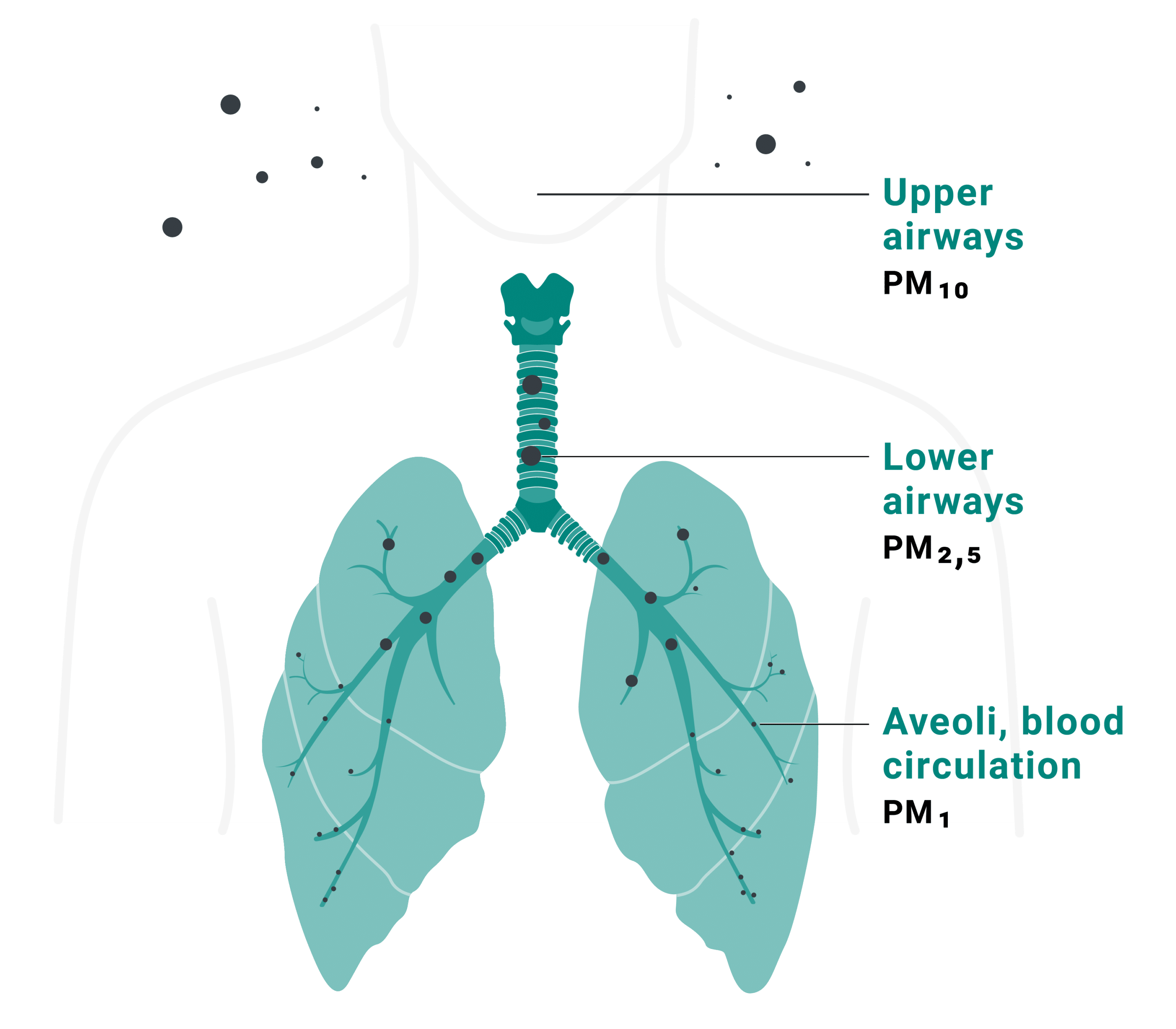
The smaller a particle is, the deeper it can penetrate the respiratory tract. Particles with a diameter of up to 10 micrometers (PM10) are deposited primarily in the upper respiratory tract. Fine particulate matter (PM2.5) reaches as far as the bronchi. Ultrafine particles (< PM1), such as those produced in large quantities during MIG, MAG, or manual arc welding, can penetrate as far as the alveoli, where they can be broken down by the body only to a limited extent.
Welding fumes are classified worldwide as carcinogenic (IARC, Group 1)—that is, as a substance for which there is clear scientific evidence that it can cause cancer.
How does welding fume extraction work?
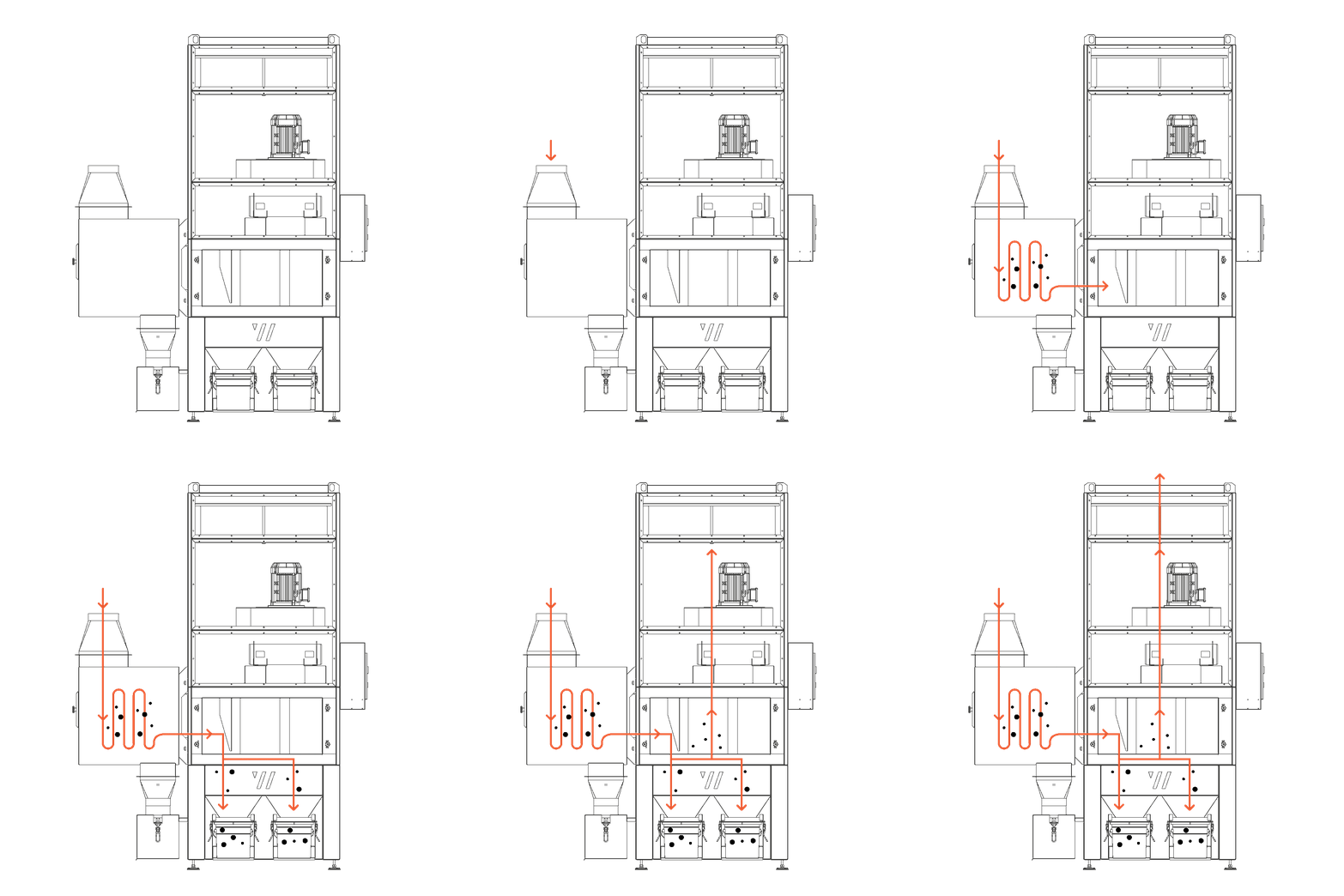
A welding fume extraction system captures fumes, fine dust, and hazardous substances as directly as possible at the source. The contaminated process air is directed to the extraction unit via an extraction arm, a collection hood, or a duct system. There, the particles are separated using highly efficient filter elements before the purified air is returned to the production hall or discharged outdoors.
Which welding fume extraction system is best suited for which application?
Every welding workstation requires a suitable extraction solution. Depending on the welding process, component size, and manufacturing workflow, mobile, stationary, or custom-designed welding fume extraction systems are used. We’ll help you design an extraction solution tailored to your needs and optimized for your production conditions and processes.
Individual or rotating welding workstations
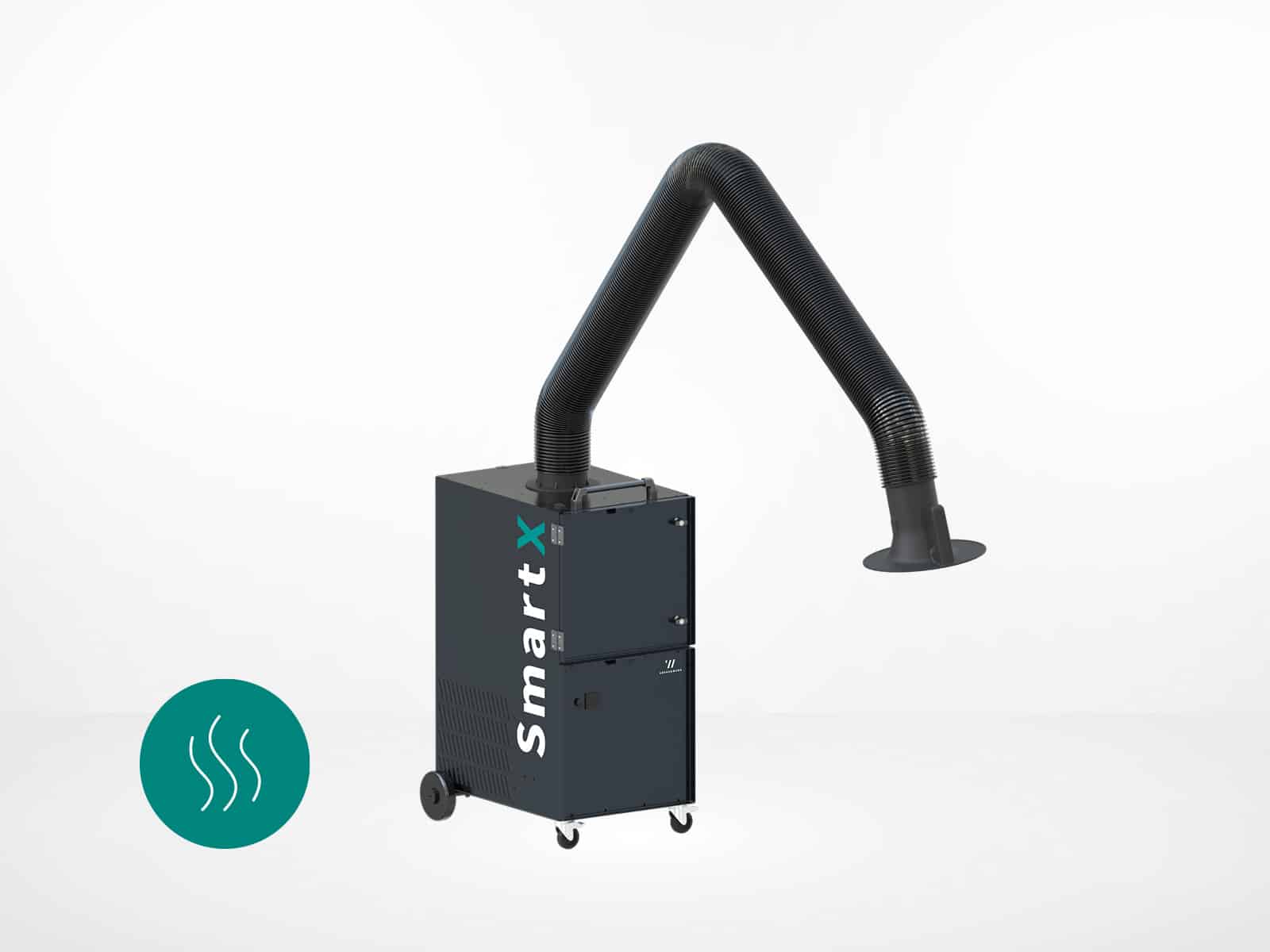
Mobile welding fume extraction systems are ideal for individual workstations or frequently changing work locations. They can be positioned flexibly and capture welding fumes directly at the source.
Fixed welding stations or welding booths
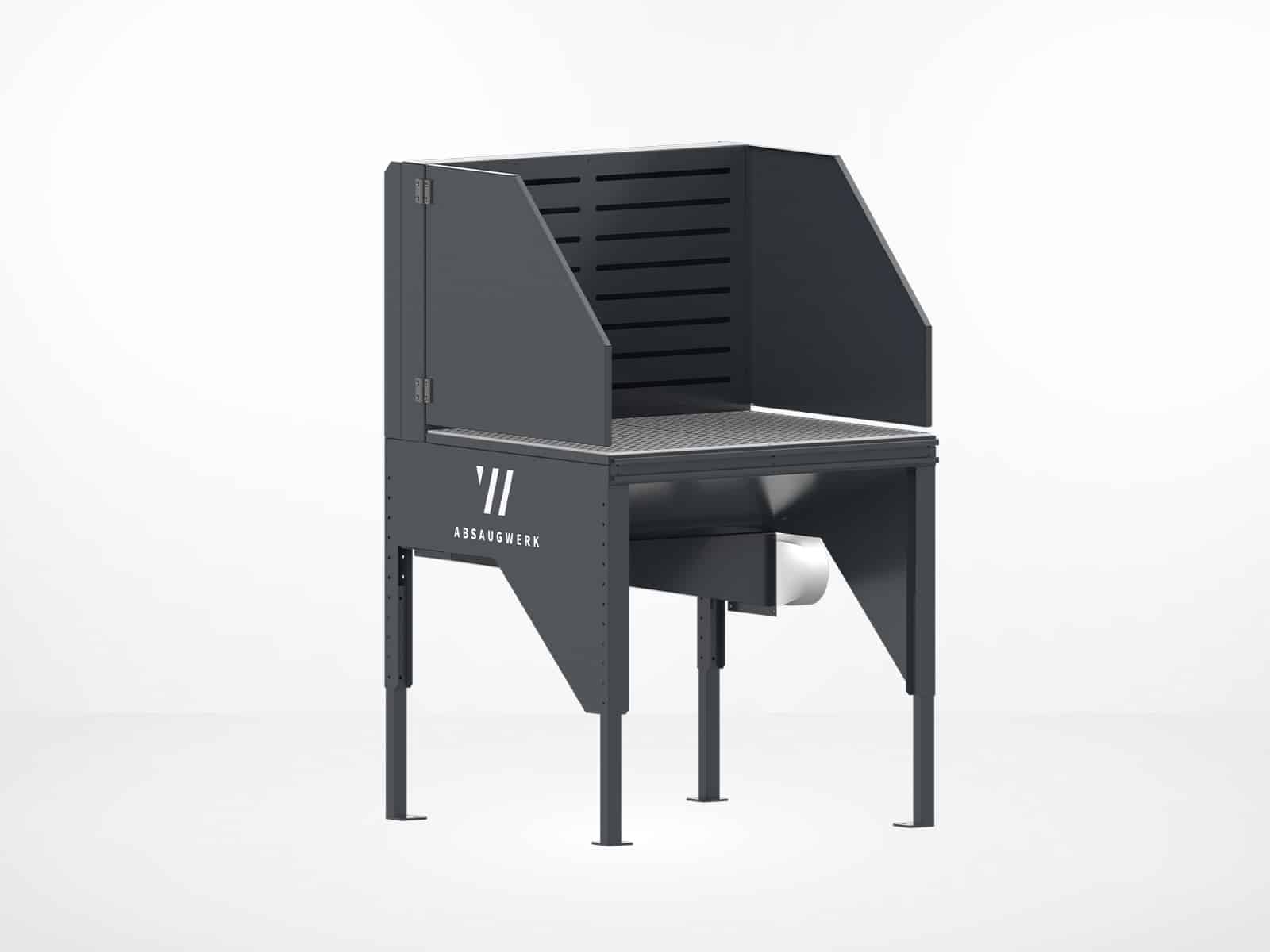
At permanent welding workstations, stationary fume extraction systems ensure reliable capture of welding fumes and fine dust. The extraction system is customized to each workstation and guarantees consistently high capture efficiency.
Multiple welding stations or welding shops
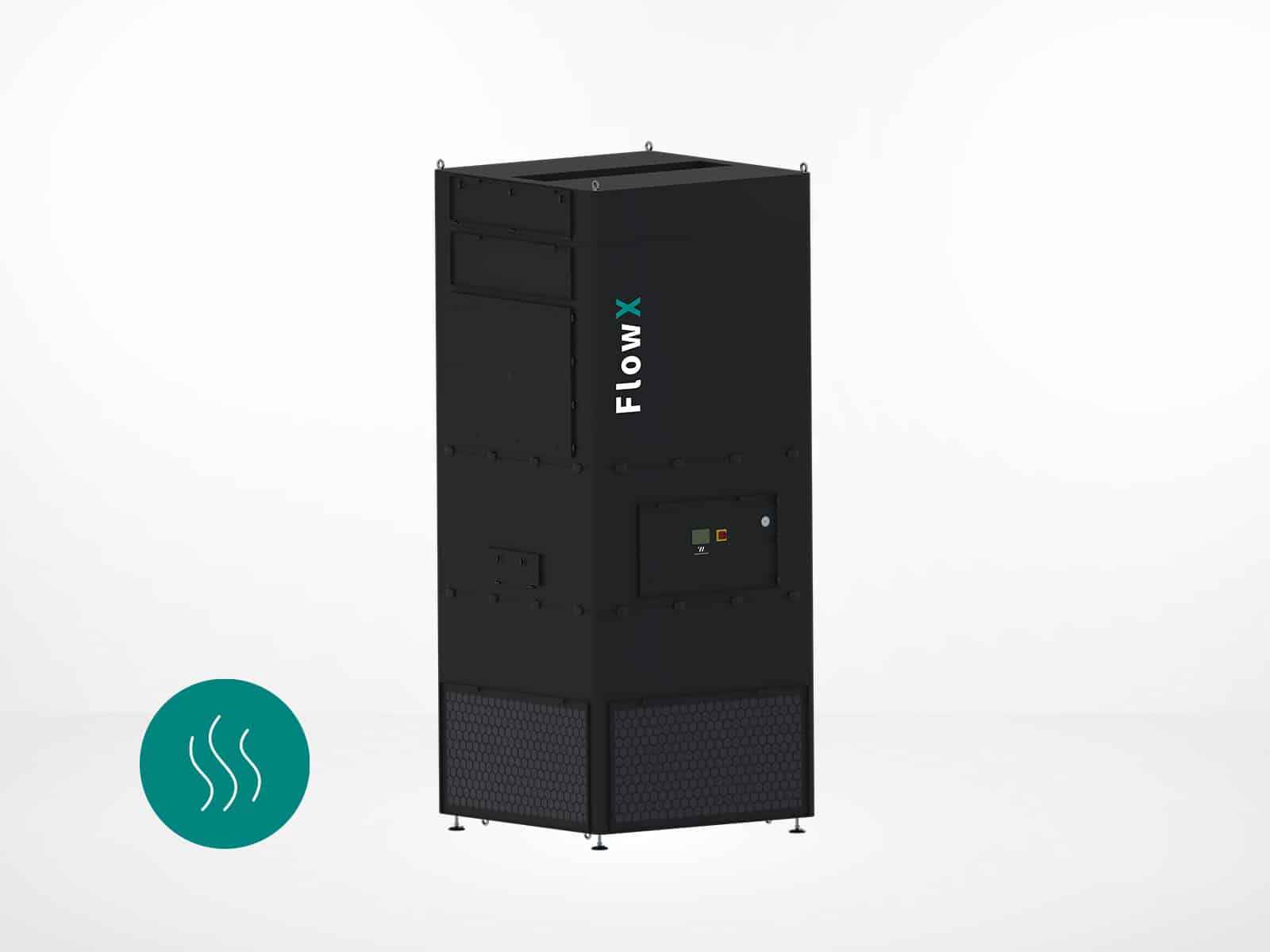
If multiple welding stations are in operation at the same time, or if welding fumes cannot be completely captured directly at all workstations, hall extraction systems are used. Depending on the application, we develop a cost-effective solution to ensure reliable capture of welding fumes and consistently high air quality.
Extraction Units for Welding Fume Extraction
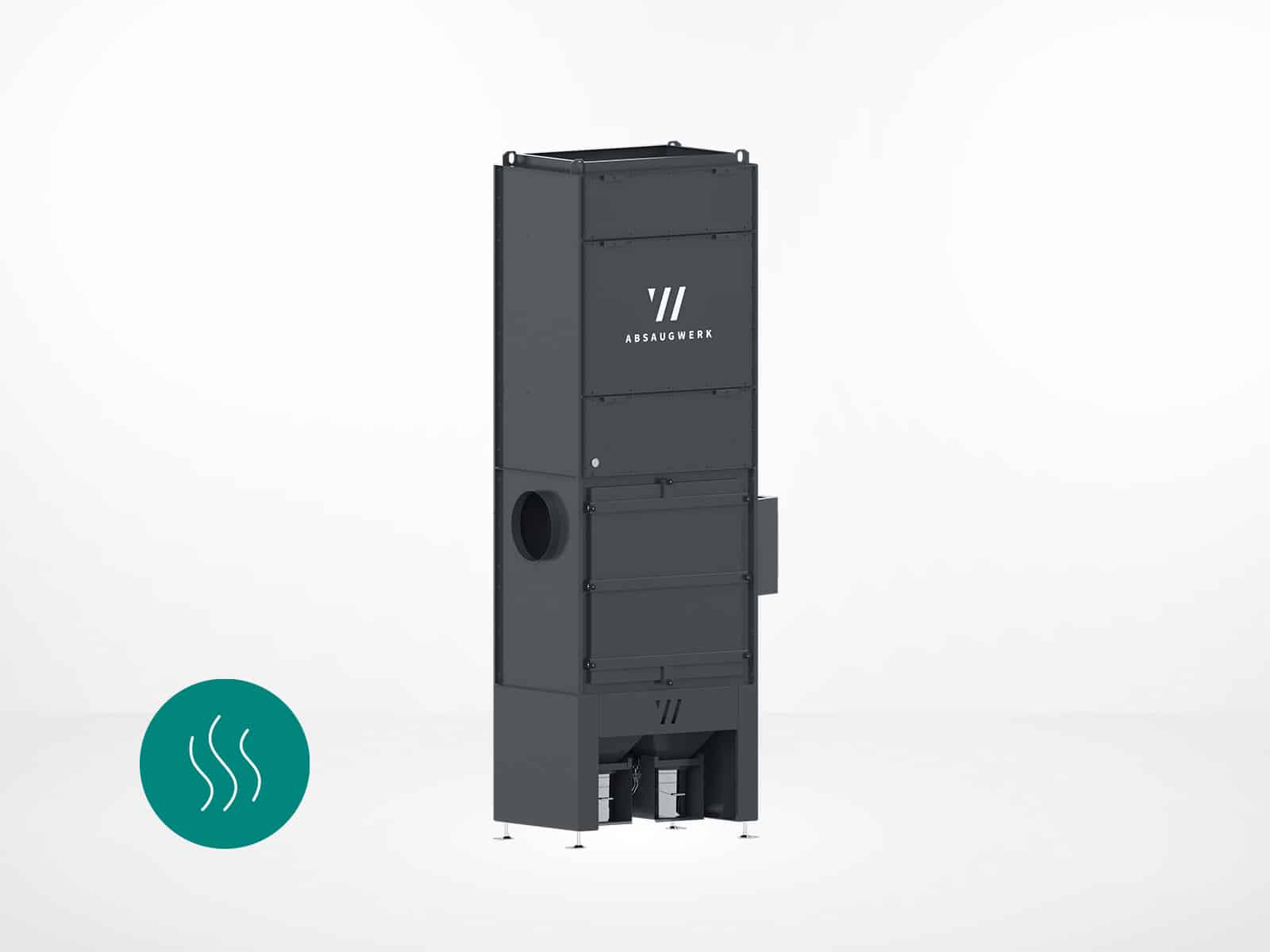
Whether it’s a mobile workstation, a stationary extraction unit, or a hall extraction system: we develop customized solutions for the reliable capture of welding fumes. All systems are individually tailored to your production conditions and requirements.
Legal Requirements
The Hazardous Substances Ordinance (GefStoffV) requires employers to assess hazards posed by hazardous substances and to minimize employee exposure as much as possible through appropriate protective measures. The TRGS 528 specifies these requirements for welding operations and mandates that welding fume emissions be captured as directly as possible at the source using state-of-the-art technology and safely vented.
Particularly when welding high-alloy materials, which can produce chromium(VI) or nickel compounds, among other substances, there are stricter requirements for airflow management and filtration technology. For applications using recirculating air, we offer our welding fume filters with optional HEPA H14 filters. With a filtration efficiency of 99.995%, they meet the highest standards for air filtration and are suitable for systems that recirculate air.
Application areas
Welding fume extraction systems are used in a wide variety of industries and manufacturing sectors—from metal and steel construction to mechanical and plant engineering, locksmith shops, automotive and commercial vehicle manufacturing, and tank and equipment manufacturing, all the way to contract manufacturing, training workshops, welding schools, and maintenance and repair. The requirements for extraction technology vary depending on the welding process, workstation, and manufacturing process.
That is why we develop custom-designed extraction units based on the ABSAUGWERK principle, which are precisely tailored to production conditions, processes, and requirements.
FAQs
We are happy to help!
We provide you with comprehensive technical expertise for the planning and consultation of your fume filter. We work together to develop customized solutions and will be happy to provide you with an individual offer.