



Why is industrial extraction important?
What You Can’t See Can Still Be Dangerous
Even if the air in a production facility appears clean, industrial processes can generate fine dust, particles, vapors, and aerosols. Many of these emissions are barely visible to the naked eye and enter the body through the air we breathe.
The smaller the particles, the deeper they can penetrate the body.
The finer the particles, the greater the risk
and the higher the demands on industrial extraction systems
Industrial processes such as grinding, welding, or deburring generate dust, smoke, oil mist, chips, and fumes. Depending on the substance and concentration, these emissions can pose a health risk. Flammable dusts and vapors can also present a fire or explosion hazard under certain conditions. For industrial extraction systems, the particle size and properties of the emissions are critical factors in the system’s design.
A human hair is about 50 to 100 micrometers thick. Particles that pose a health risk are often many times smaller. Fine particulate matter is barely visible to the naked eye, can remain in the air for long periods, and can spread throughout the workspace. Particle size determines how far inhaled dust particles penetrate the respiratory tract: Larger particles are mainly deposited in the upper respiratory tract, while PM2.5 can reach the bronchi and deeper areas of the lungs.
Small particles, big impact on the respiratory system

Hair
50–100 µm

Coarse dust
over 10 µm
Larger dust particles are often visible and settle relatively quickly on floors, machinery, and products.

Inhalable dust
up to about 10 µm
Inhalable dust particles can be taken in through the nose and mouth and settle in the upper respiratory tract.

Particulate Matter
up to about 2.5 µm
Fine particles can reach the bronchi and deeper areas of the lungs.

Very fine particles
up to about 1.5 µm
Because of their small size, these particles can remain in the air for a long time and penetrate deep into the lungs.
Health Effects of Dust and Emissions
The potential health effects depend, among other factors, on the substance, concentration, particle size, and duration of exposure. Dust, smoke, and other airborne emissions can irritate the eyes, skin, and respiratory tract and, with prolonged or repeated exposure, pose a health risk.

SHORT-TERM
Headaches, dizziness, nausea

BRAIN AND NERVES
Dementia

METABOLISM
Diabetes

HEART AND
CIRCULATORY SYSTEM
Heart Attack
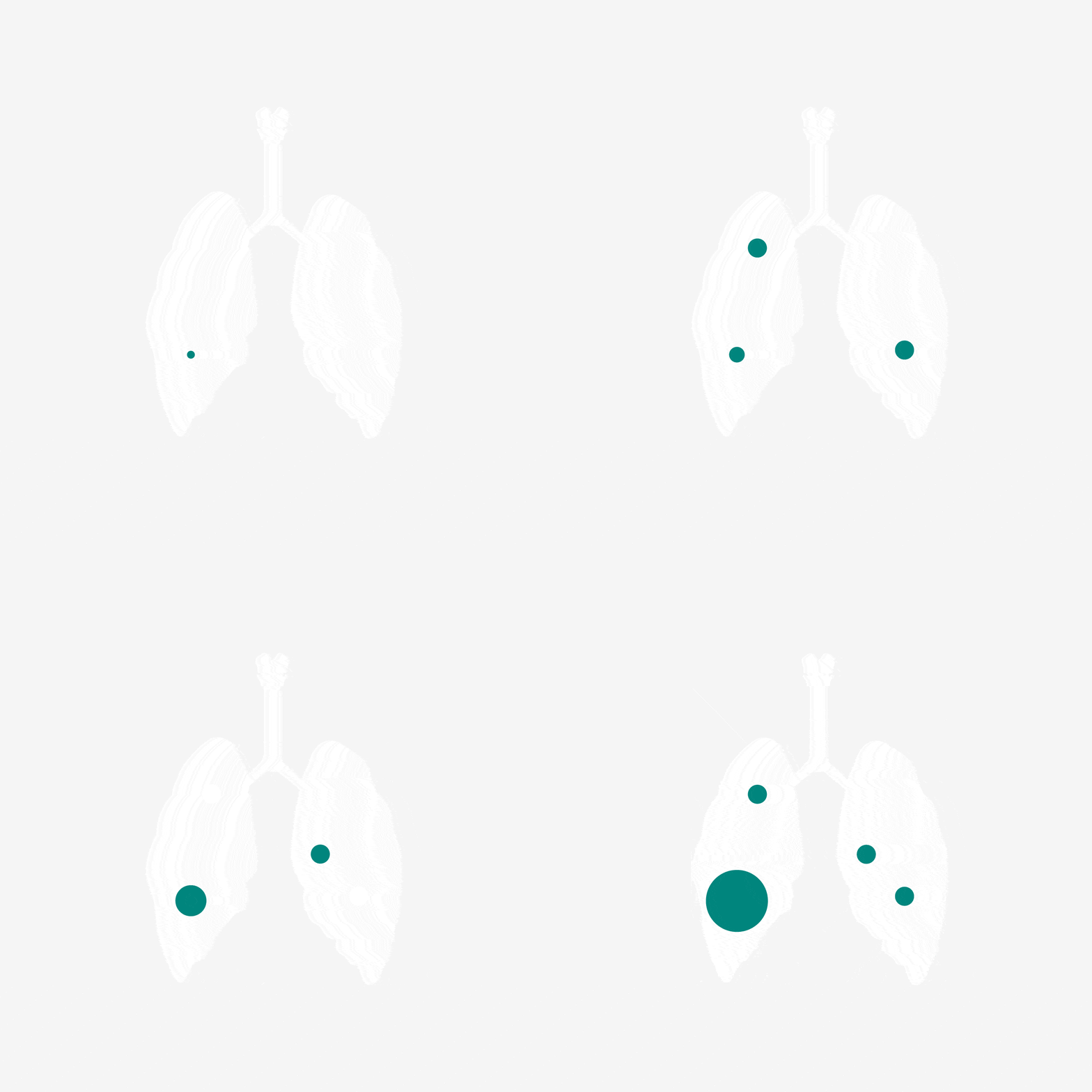
LUNG
Asthma, Allergies, Cancer
Dust affects people, machines, and processes
Without targeted capture, dust and other emissions spread throughout the work area and settle on floors, machinery, and products. This increases cleaning and maintenance efforts and can contribute to machine wear and tear as well as disruptions in the production process.
Airborne dust can endanger employee health and compromise product quality. In the case of combustible dusts, there is also a risk of fire or explosion under certain conditions. The World Health Organization (WHO) explicitly highlights these risks associated with dust in the workplace.*
Industrial extraction reduces these hazards by capturing emissions as close as possible to their source.
Monitoring Emissions Directly at the Source
Industrial extraction systems for clean production areas
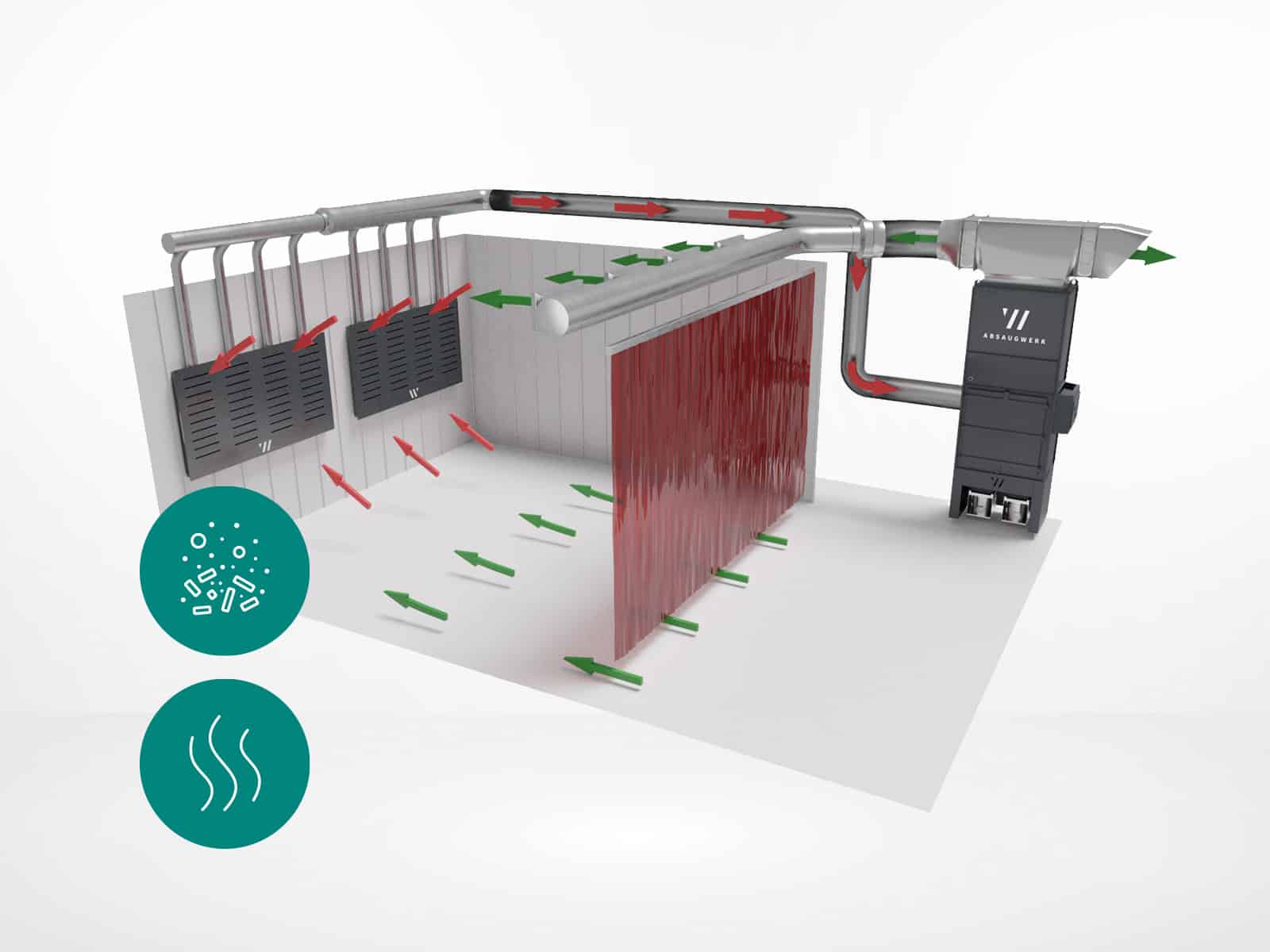
An effective industrial extraction system captures dust, smoke, fumes, and aerosols as close as possible to their source. This prevents emissions from spreading unnecessarily throughout the work area.
Filter performance alone is not the only critical factor. The collection element, airflow, and extraction capacity must be suited to the process, the substance being generated, and the specific conditions at the workplace.
How Industrial Extraction Systems Work
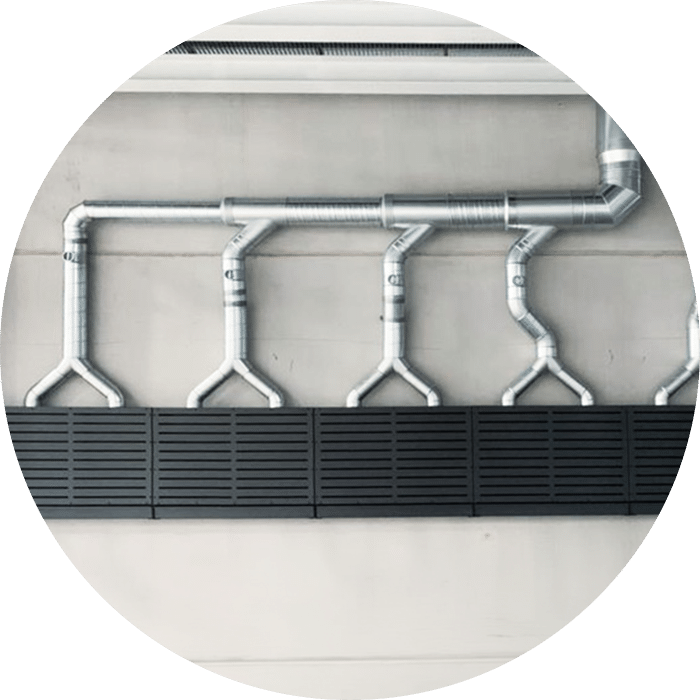
capture
Dust, smoke, fumes, and aerosols are captured as directly as possible at the source.
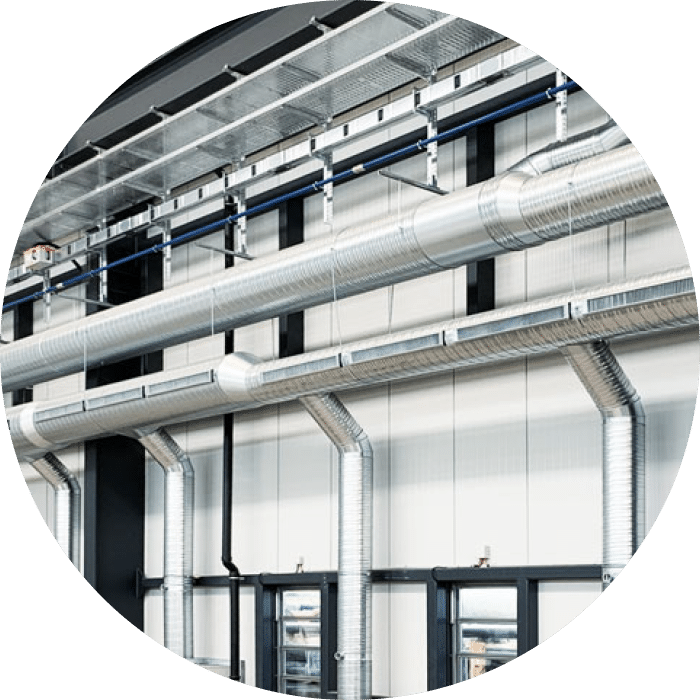
Transport
The captured emissions are transported to the extraction unit via the pipe or hose system.
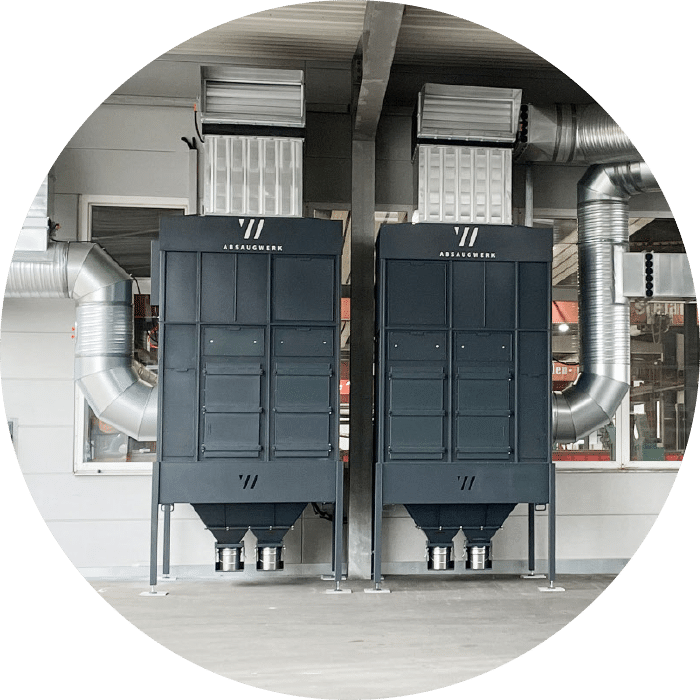
Separation
Particles and pollutants are removed from the air stream using the appropriate separation process.

Work Safety
Lower emissions in the workplace reduce the strain on employees, machinery, and processes.
Which extraction unit
is right for your application?
From smoke and dust to chips and oil mist: Find the right solution for your process.
Clean air. Tangible benefits.
With industrial extraction systems tailored specifically to your processes, you’ll benefit from
economic, environmental, and health advantages.

LOWER COSTS

RECYCLING
Save raw materials by reusing chips and granules.

CLEANLINESS
Fewer deposits on machinery and in production facilities.

NO ODORS
Neutralization of odors from production processes.

ACCIDENT PREVENTION
Reduced risk of slipping due to dirty floors and work surfaces.

FIRE/EXPLOSION PROTECTION

ENVIRONMENTAL PROTECTION
Clean air reduces the burden on the environment and helps combat climate change.

OCCUPATIONAL SAFETY
Less strain on the respiratory tract from airborne dust and pollutants.
Comprehensive Extraction Solutions for Industrial Processes
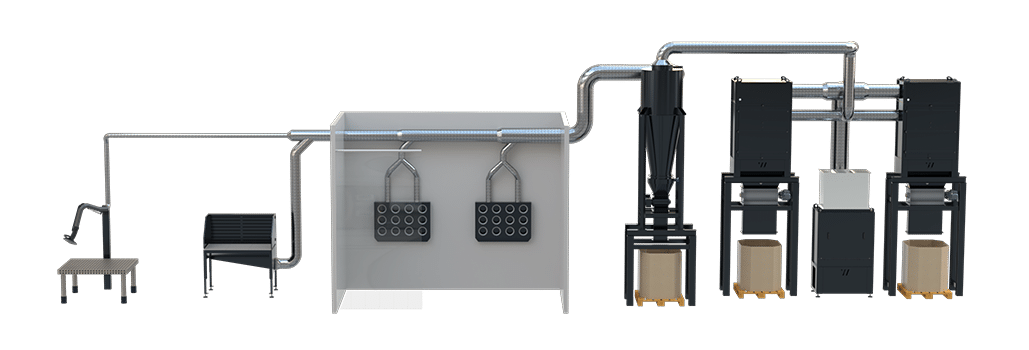
A high-performance industrial extraction system is the result of the interaction of all its components. It is the result of the interaction of all its components. Only when the capture, pipe system, separation, and discharge systems are coordinated can the system operate reliably and economically.
ABSAUGWERK therefore considers the entire extraction unit: from capturing emissions to discharge and disposal. Each component is tailored to the process, the type of emission, and the on-site requirements.
The ABSAUGWERK Principle
We develop custom-designed extraction units tailored to the process, emissions, and actual performance requirements.
Everything from a single source and directly from our WERK.
Overview of Industrial Extraction Units
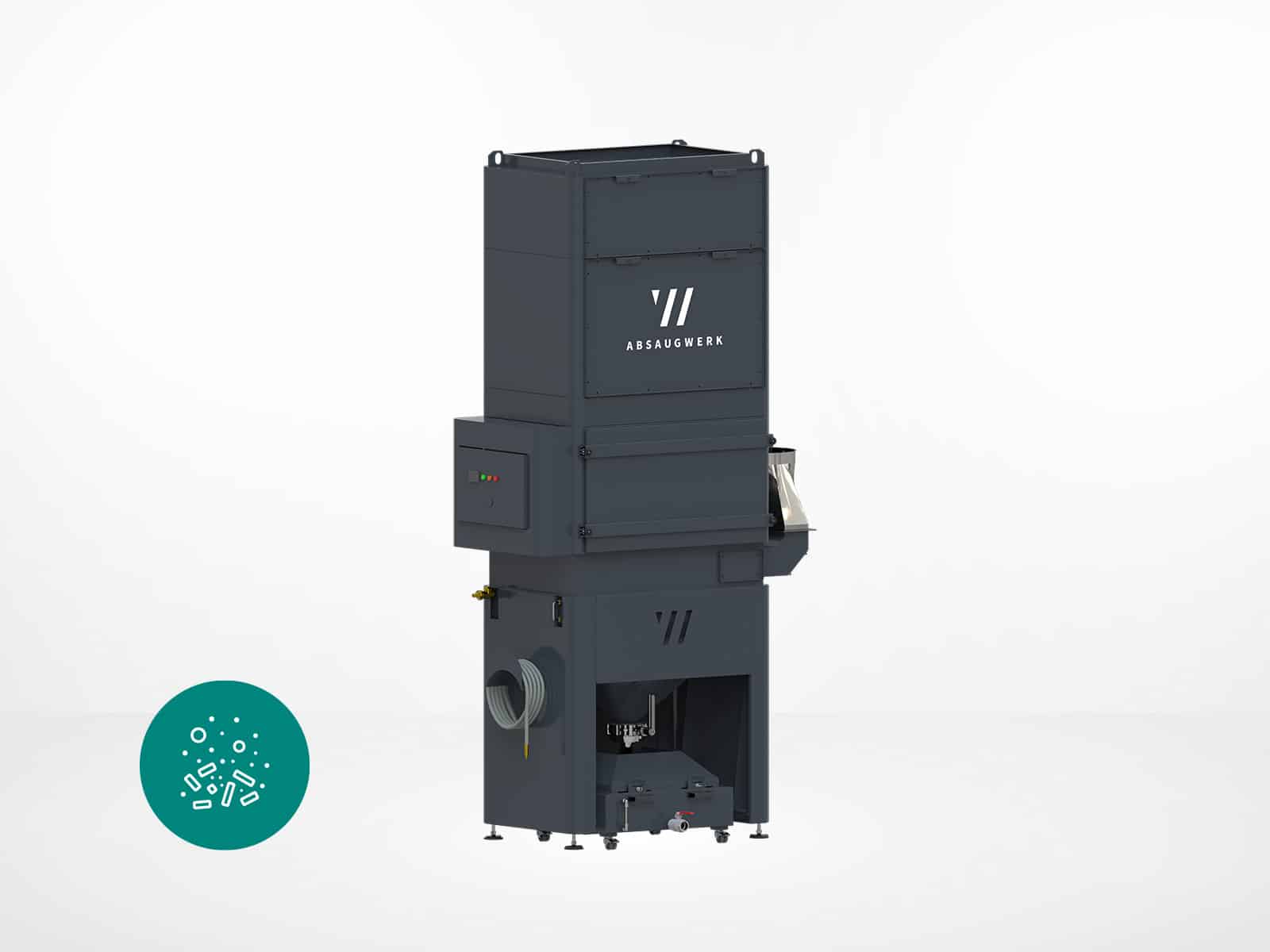
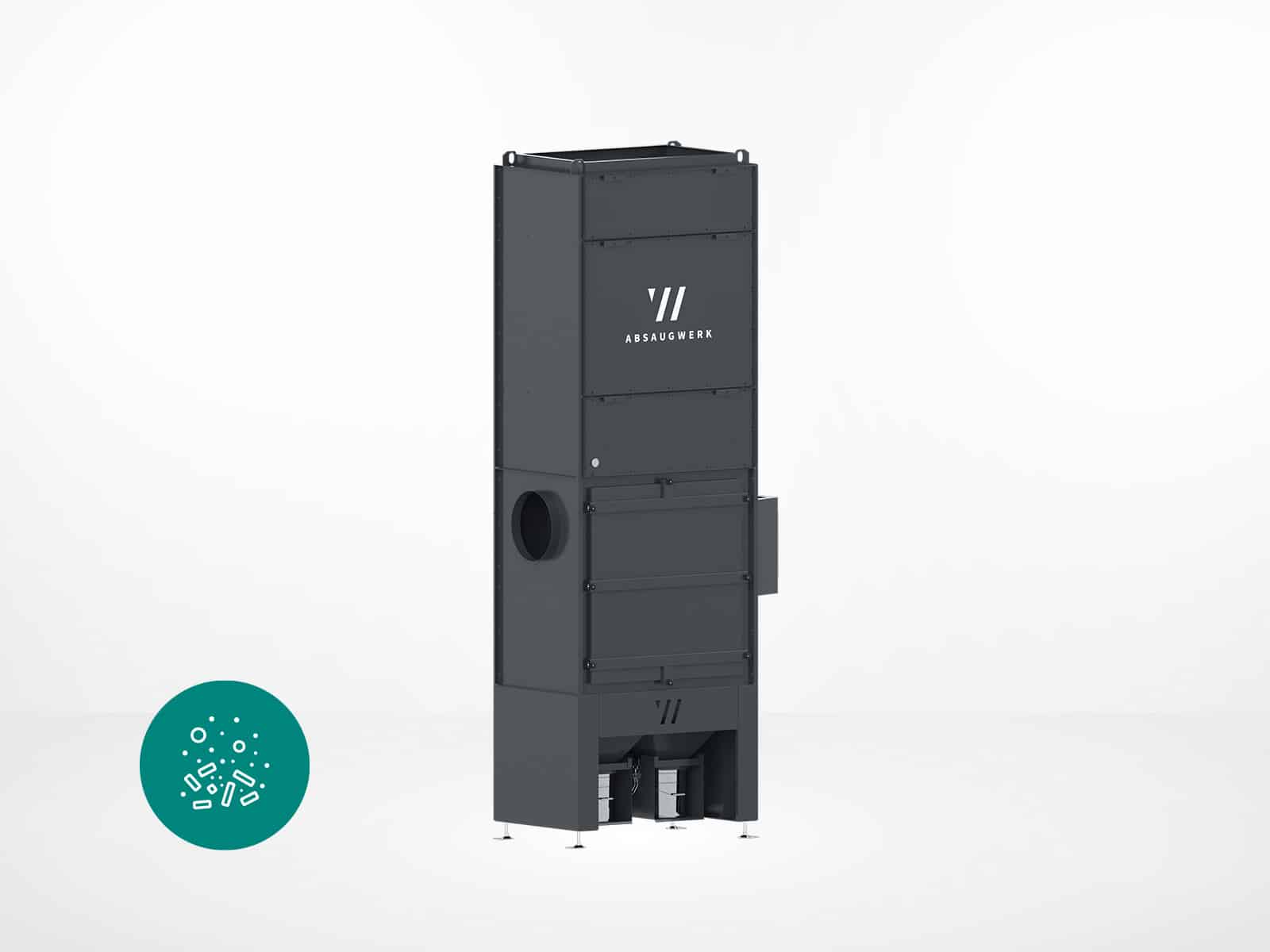
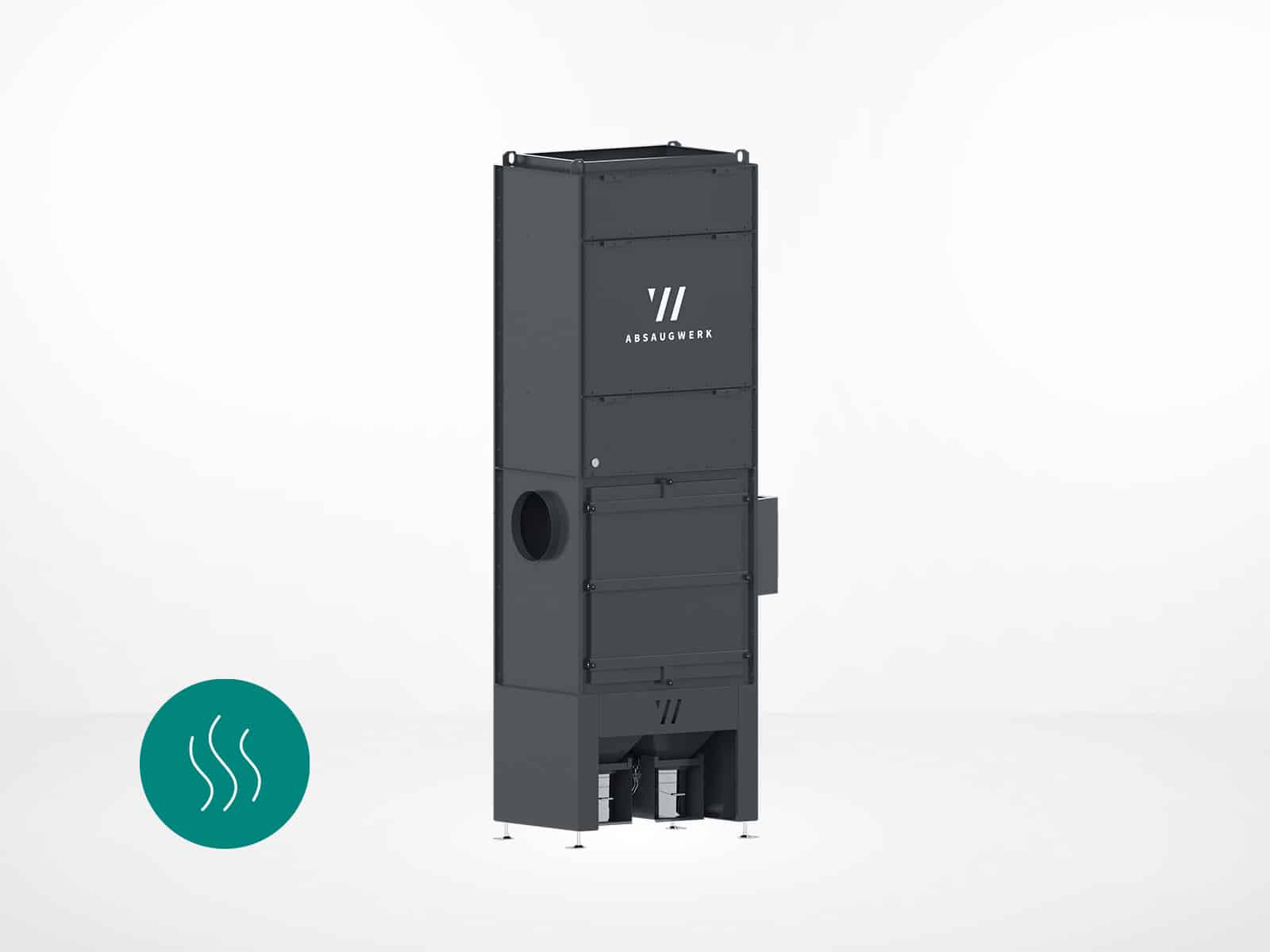
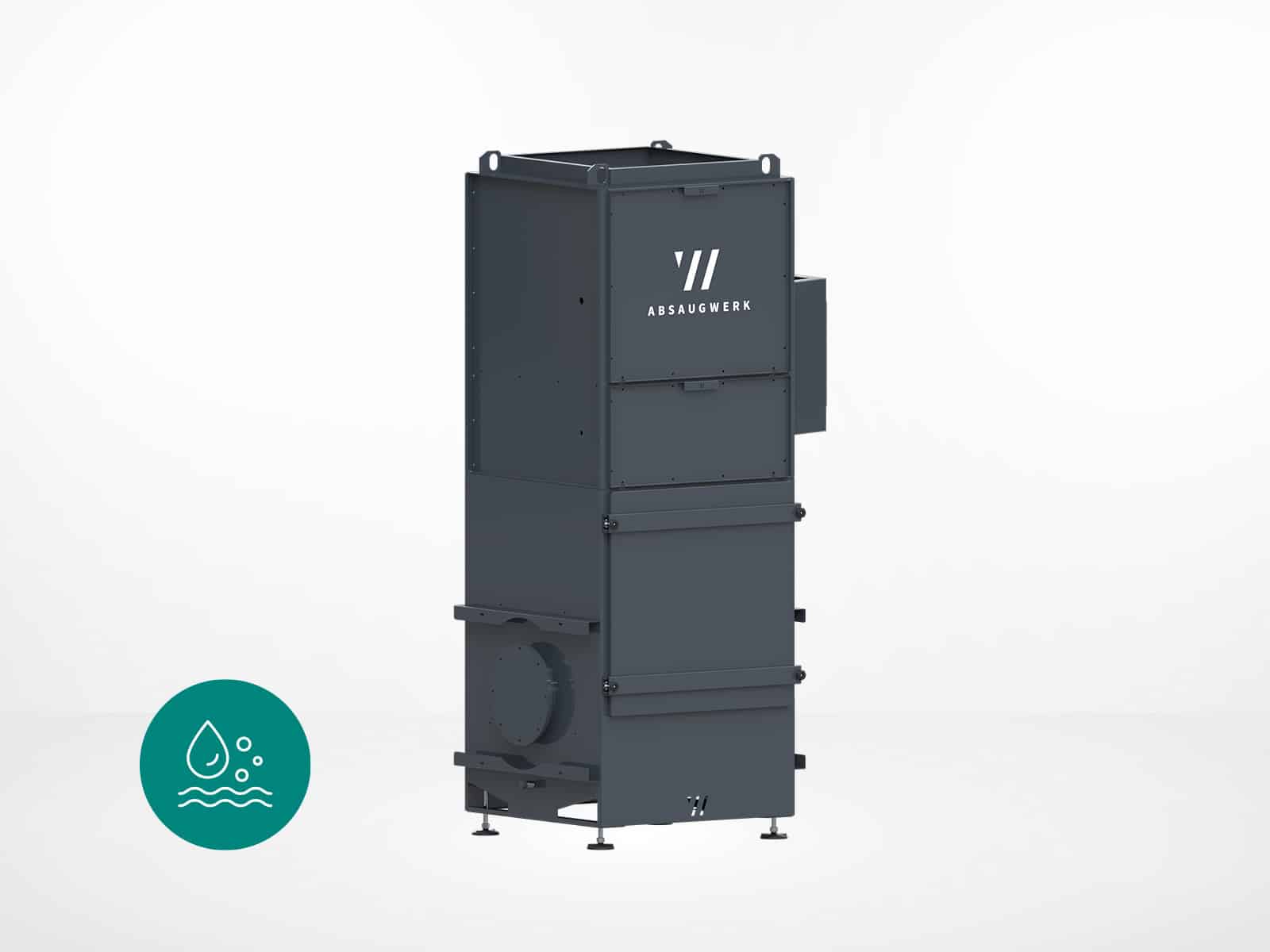
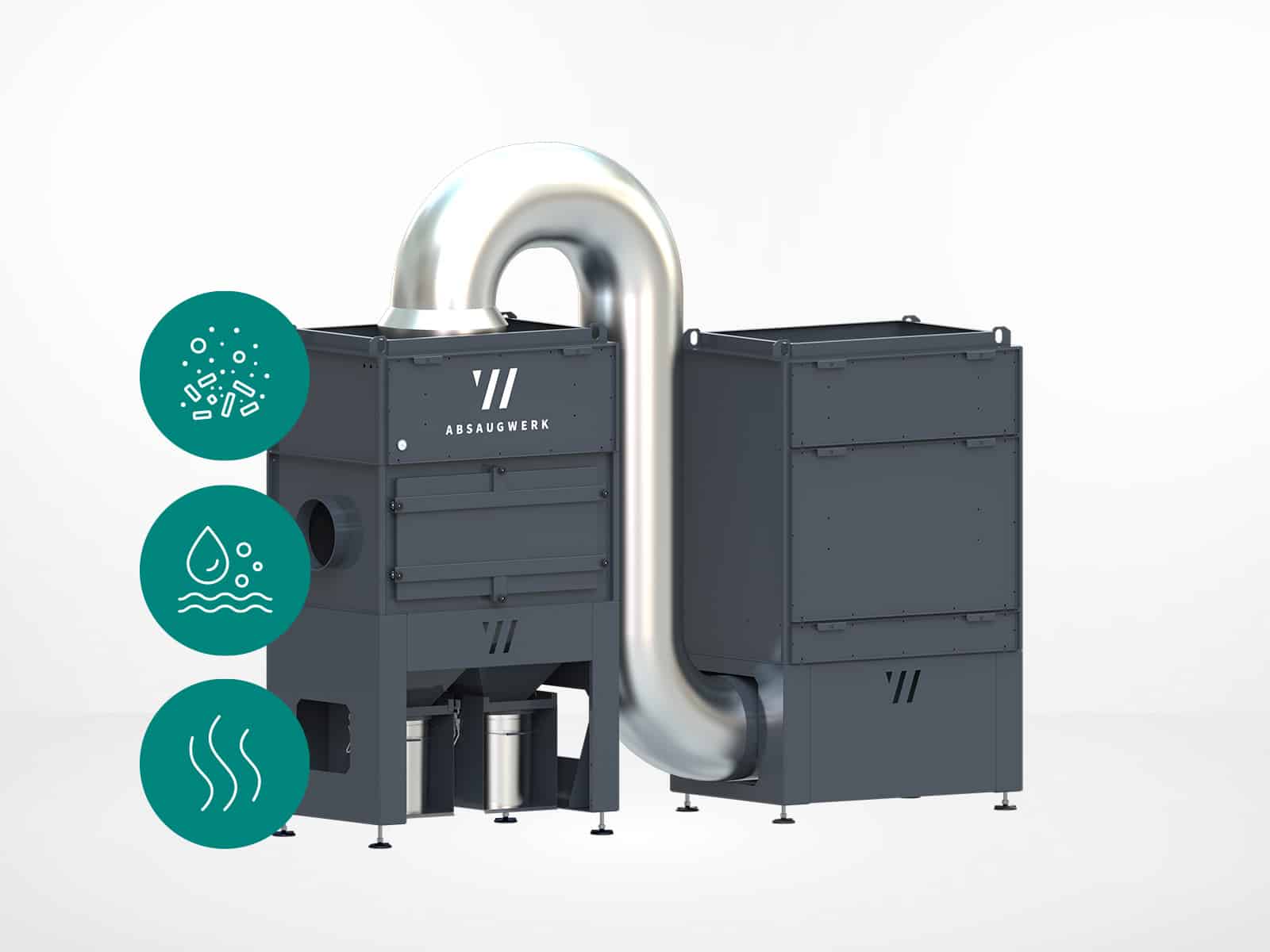
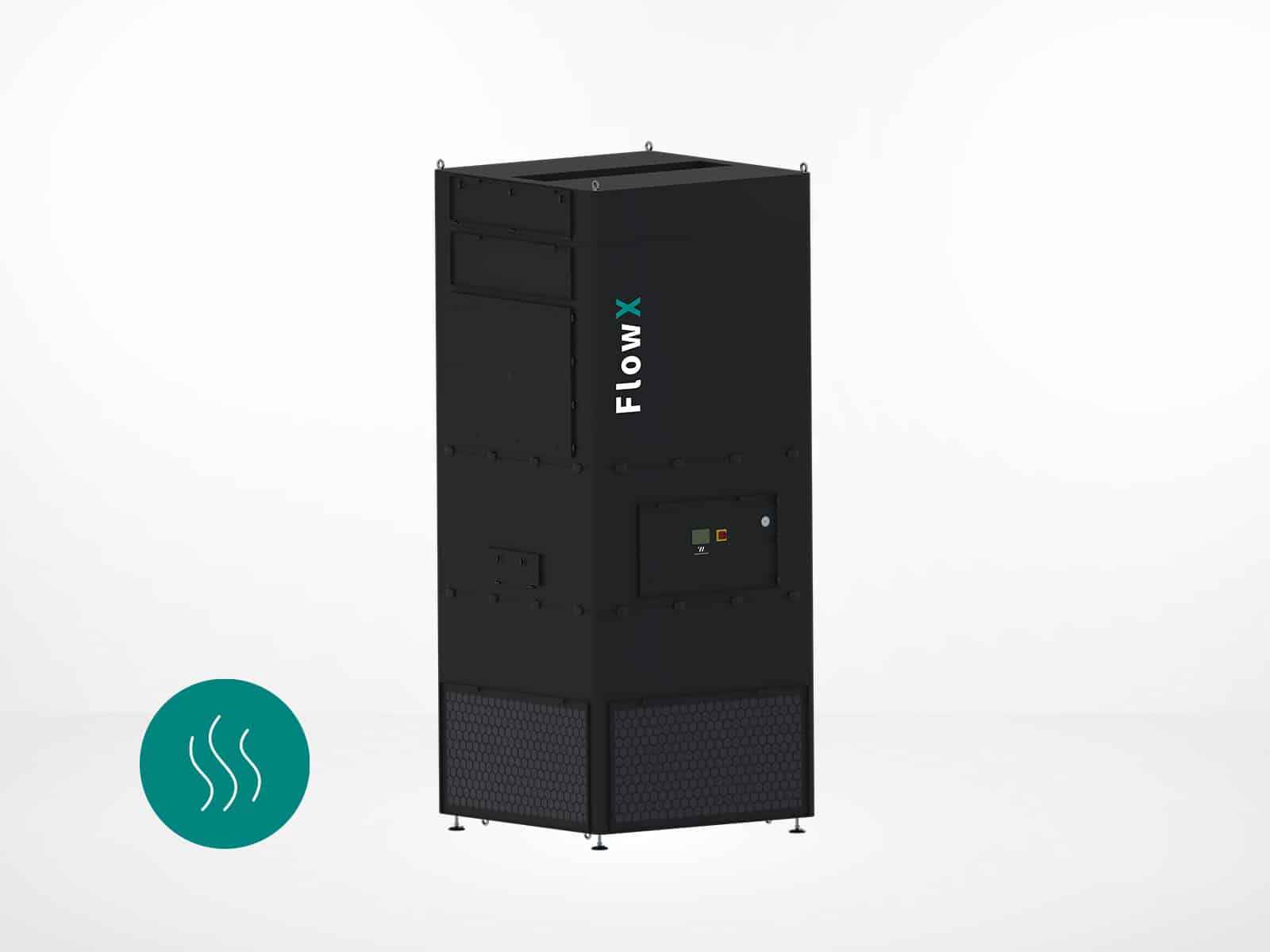
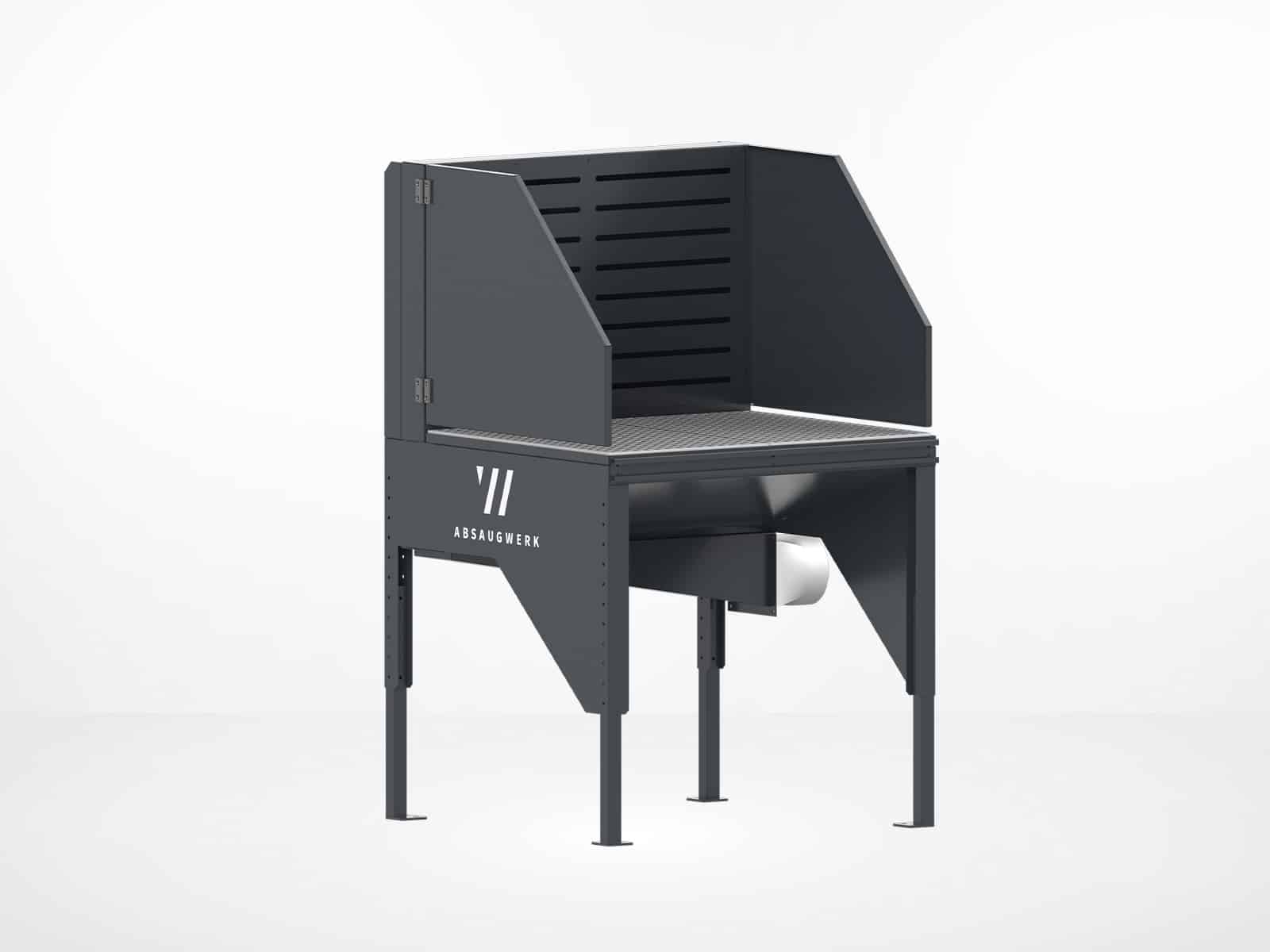
Our industrial extraction units range from dedusters and fume filters to wet separators and oil mist separators, as well as filter towers and extraction tables. We offer suitable extraction solutions and duct systems for a variety of processes and emissions.

Energy Savings in
s Production
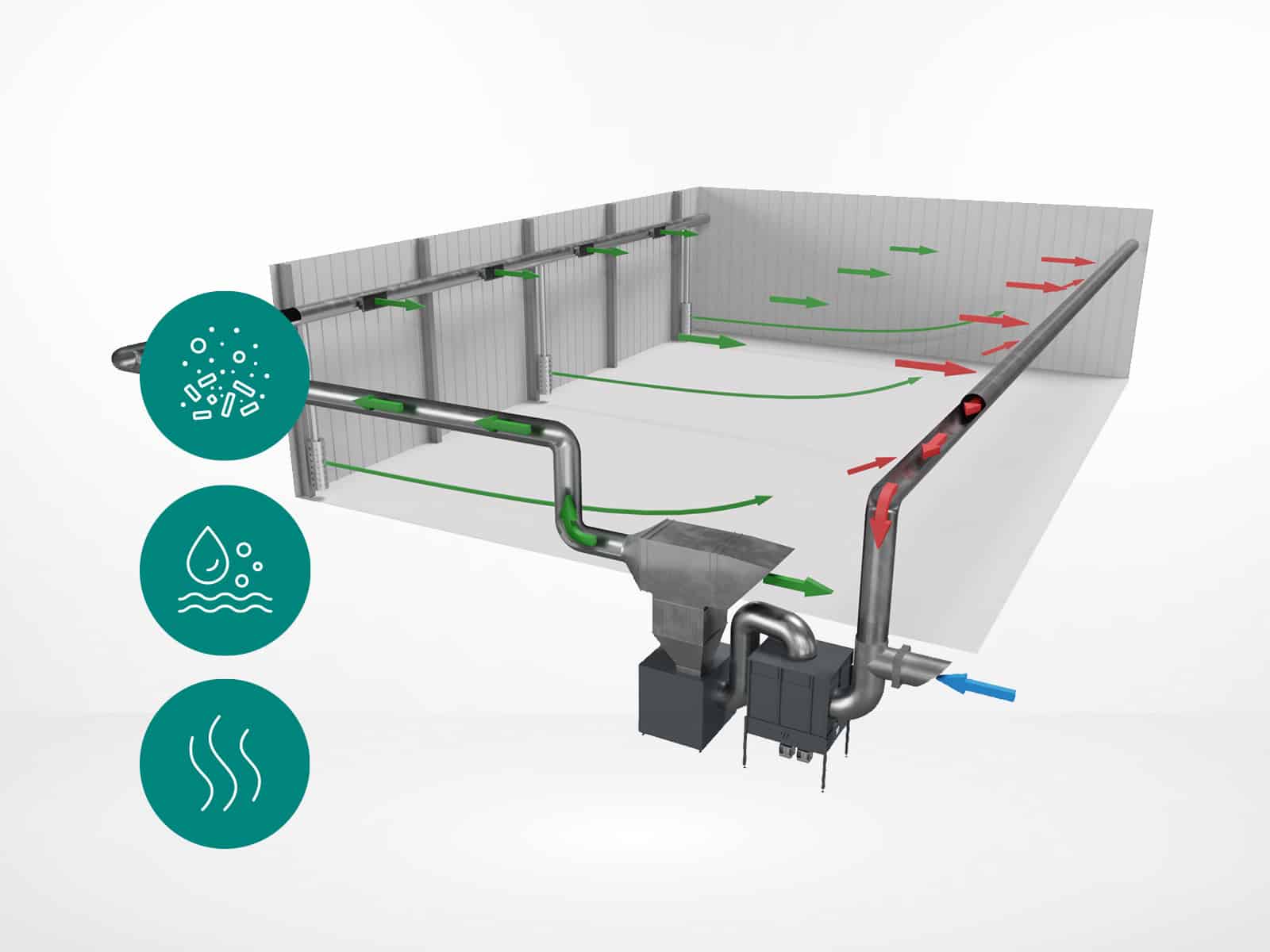
A properly designed extraction unit does more than just reduce emissions. Low air resistance, demand-based power adjustment, and heat recovery can significantly reduce energy consumption during operation.

Which industrial extraction system
is right for your process?
Dust, smoke, oil mist, or vapors place different demands on extraction technology. We’ll take a look at your process and determine which extraction solution makes the most sense for it.